When to Use Portal Crane Systems Instead of Overhead Cranes
Selecting the optimal lifting equipment for your operational requirements hinges on a clear understanding of the fundamental differences between overhead cranes and portal crane systems. Although both are engineered for handling heavy material loads, their structural designs and ideal use environments differ. To determine which option best aligns with your facility’s requirements, Condra Cranes explains the differences between the two.
Engineering Design Features of Overhead Cranes and Portal Crane Systems
The most significant structural difference between overhead cranes and portal crane systems has to do with how each is supported:- Overhead crane Often referred to as a bridge crane, these cranes are permanently installed within a building and operate from a structural framework for support. This allows the crane to move smoothly along its overhead fixed runway rails while maximising usable floor space below. Manufacturers can offer a wide range of configurations to ensure the system best suits the operating environment and the specific application demands. The most effective way to determine the right solution is by consulting a technical advisor who can provide expert guidance and carry out a site assessment if needed. Configurations may include single or double girder options, specialised end carriage mountings, and alternative rail interfaces, such as top riding or underslung.
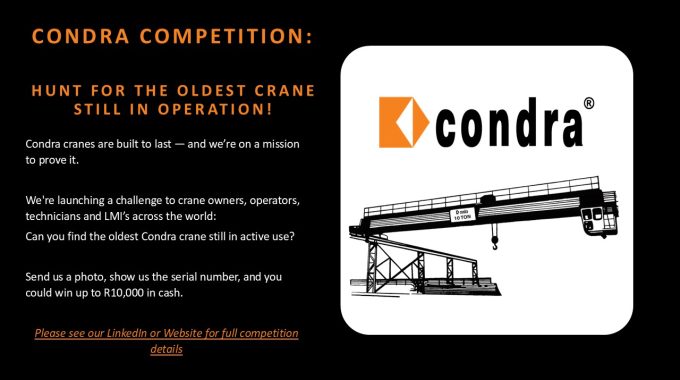
- Portal crane Also known as a goliath crane or gantry crane. A portal crane shares many functional similarities with an overhead crane, but it differs in how it is supported. Instead of being fixed to a structure,it is a standalone structure that moves on “portal legs” with end carriages that run along ground-level runway beams. Despite their structural differences, the basic movement and operating principles of both systems are remarkably similar. The key differentiators are where each crane is installed and how each is supported.
Important Selection Factors
Having established the structural differences between the two, the critical question remains: Which type is the better choice for your facility? Here are some essential factors to consider.- Operational span The span of a portal crane refers to the horizontal distance between the centre lines of the two rails and effectively determines the width of the crane’s main working area. Rather than asking how wide the crane can be, it is far more important to consider how wide it needs to be. This requirement is driven entirely by the layout and constraints of the site itself. The widest extents of the entire operating zone must be identified to allow additional clearance on both sides for safety and access.
- Structural compatibility: Mounting options Evaluate the readiness of your existing facility. Is your building structurally capable of accommodating an overhead crane precisely where the lifts need to occur? If not, it is advisable to consult with a technical advisor about having a free-standing overhead or gantry designed and installed to suit your intended lifting zones and exact requirements.
Tailored Heavy-Lifting Solutions
For almost six decades, Condra has designed and manufactured cranes, such as overheads and portals, in-house for multiple industries. Our overhead and portal crane systems meet stringent industry specifications, including capacities up to and including heavy-duty Class 4, ensuring maximum durability and safety. Consult with the leading crane specialists, Condra.