Mining Equipment in Zimbabwe: Durability, Availability and Value from Mine Entra
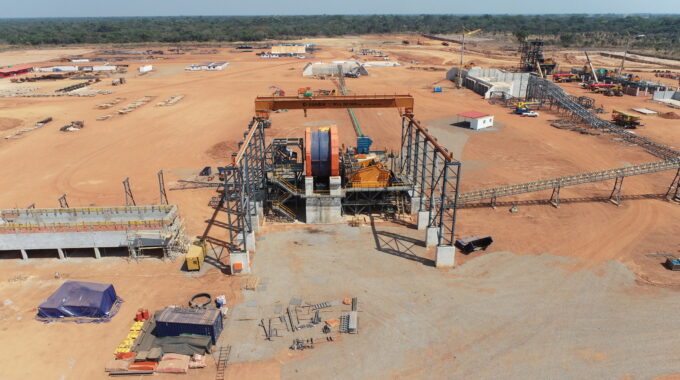
Recent discussions at the Mine Entra exhibition in Bulawayo reinforced a clear message about mining equipment in Zimbabwe: customers need machinery that performs without long overseas delays. Mine managers, procurement heads and engineering teams across the country’s resource mining operations are prioritising lifting equipment that keeps production running instead of waiting on components shipped in over months.
Condra had the opportunity to attend the event and reaffirm its distinct advantage for Zimbabwean clients: advanced open-standard lifting equipment, locally manufactured with world-class durability and short lead times without the premium price tag.
Why Mining Equipment in Zimbabwe Needs a Regional Supply Base
The underlying priorities for capital mining equipment in Zimbabwe are very clear. Mines cannot afford to have expensive operations stalled by long overseas lead times or outdated machinery. When evaluating heavy machinery, the discussion always comes back to five core elements:- Price and total value: High upfront pricing is only part of the equation. A unit that requires specialised imported spares can quickly become more expensive to run than buy. Competitive pricing needs to be backed by low ongoing operating costs, achieved through local, SADC-produced components.
- Immediate availability: Downtime affects profitability directly. Cranes, hoists and replacement parts manufactured in Southern Africa and ready for rapid dispatch make a measurable difference on-site.
- Proven durability: Zimbabwe’s gold, platinum and lithium mining environments are demanding. Equipment must be engineered to withstand heavy-duty cycles and harsh operating conditions over many years of continuous use.
- Product support and spares: Purchasing a crane is only the beginning. Long-term technical service, local agent support and accessible components keep equipment performing for decades.
- Local content and regional skills: Working with regional supply chains and local engineering partners helps retain skills within the region and enables mines to stay compliant with local content targets.
How Condra is Driving Mining Transformation in Africa
Condra has structured its business around these same core elements. For over 60 years, we have been designing, engineering, and manufacturing overhead cranes globally and locally, with a strong footprint in the African mining sector. In 1982, we established our service division specifically for installation and commissioning, service repairs and maintenance of the cranes we manufacture. Furthermore, crane assemblers don’t have to deal with multiple suppliers when sourcing components for final assembly as we tailor components to all lifting requirements, including hoists, crabs, cable reel drums, bottom blocks, cable-loop systems, enclosed conductor systems, and end carriages.Condra Pushes the Boundaries of Crane and Hoist Installations
Our design and manufacturing extends further than standard installations. For example, we supplied 13 cranes and hoists for underground installation at Zimplats‘ Mupani Mine, engineered to fit a confined two-kilometre access route while still delivering the lifting heights the operation required. This kind of project reflects our association with African mines, one built on robust, reliable cranes and hoists for Zimbabwe’s mining operations that continue performing long after installation.Growing with Africa’s Mining Sector
As Africa’s mining sector continues to expand, the demand for dependable mining equipment in Zimbabwe is growing. Mine Entra in Bulawayo remains one of the clearest indicators of this growth, giving mine managers, procurement heads, engineering teams and Condra the platform to discuss the equipment priorities driving the region forward. Delegates leave with a strong indication of what Zimbabwean operations need to keep production moving. For Zimbabwean mining operations, this regional presence means working with a manufacturer that understands African operating conditions and can support cranes and hoists throughout their working life. Local manufacturing also reduces dependence on distant overseas suppliers, while Condra’s established service capability supports equipment long after installation.